Why More Startups Are Choosing Coworking Spaces in KL Eco City
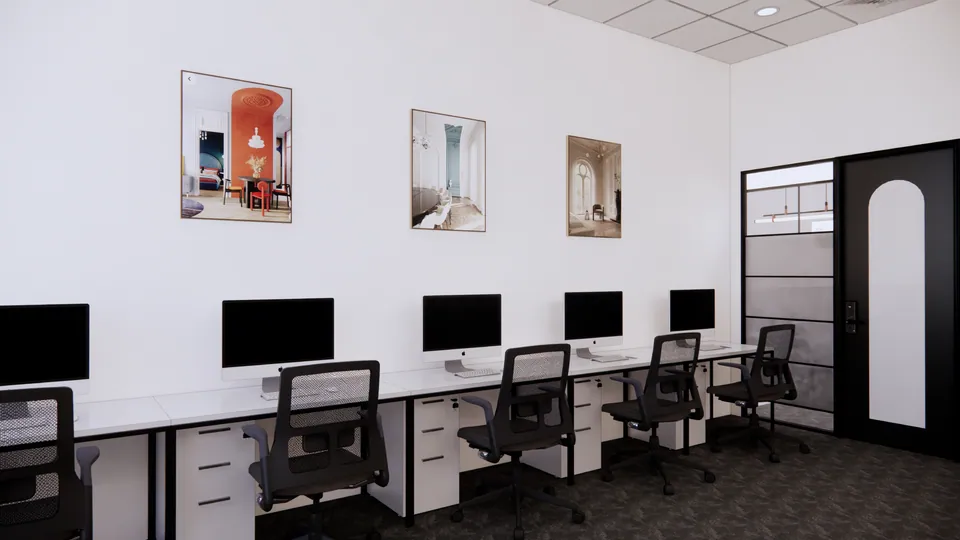
Business growth often changes workspace requirements faster than expected. A setup that suits freelancers or early-stage operations may become less practical once client meetings, collaborative work, recruitment and structured schedules become part of everyday operations.
This shift has one reason: businesses increasingly explore a Coworking Space in KL Eco City when reassessing how their teams operate. Workspace decisions now involve operational efficiency, accessibility, meeting capability, scalability and day-to-day business functionality rather than simply securing desk space.
Why Business Infrastructure Influences Workspace Demand
KL Eco City continues attracting businesses because of its connection to transport networks, commercial activity and nearby corporate facilities. For businesses managing external meetings, flexible staffing arrangements or regular travel between districts, location convenience may influence:
- Scheduling efficiency
- Meeting coordination
- Staff movement between locations
- Access to surrounding business services
- Operational time management
This practical accessibility has increased interest among businesses in KL Eco City looking for centralized working environments without committing immediately to conventional coworking space arrangements structures.
Operational Limitations Businesses Commonly Experience in Informal Workspaces
Temporary work setups may initially appear cost-effective but operational constraints often become more visible as workloads increase. Businesses commonly encounter issues involving:
- Limited privacy for confidential discussions
- Inconsistent internet stability during meetings
- Restricted access to presentation facilities
- Difficulty accommodating collaborative sessions
- Reduced the separation between administrative and client-facing work
These limitations may gradually affect workflow organization, communication efficiency and meeting management. Structured workspace environments are often selected once these operational pressures begin affecting routine business activity.
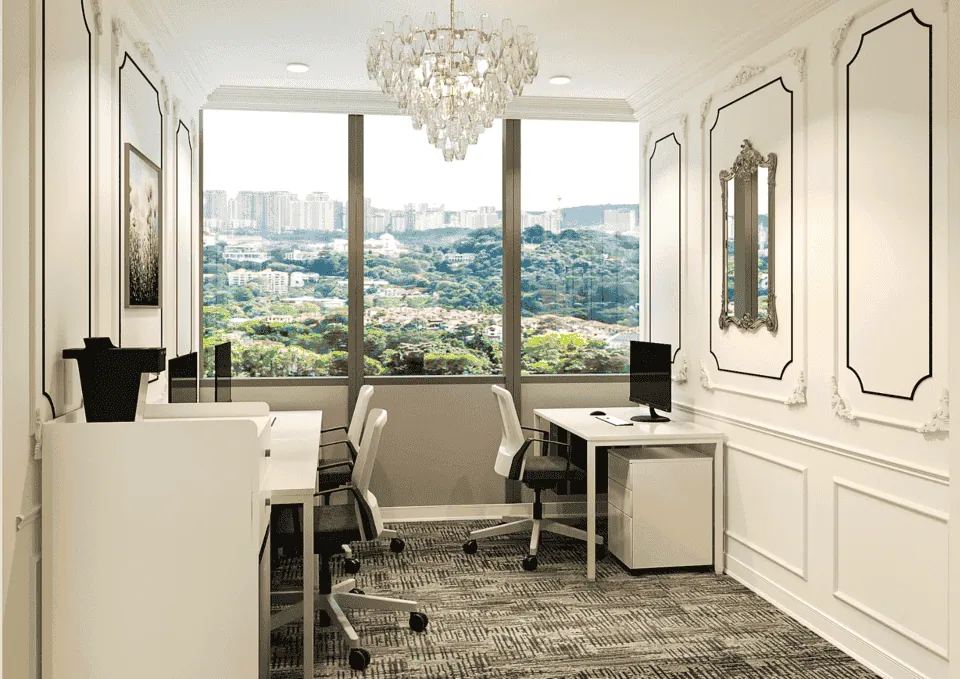
The Difference Between Coworking and Traditional Office Leasing
Traditional office leasing is based on operations with long-term commitments. However, it may also involve independent management of operational infrastructure. On the other hand, the coworking office spaces are designed to make workspace access quick, along with modern facilities and reliable work operations.
| Workspace Factor | Traditional Office Leasing | Coworking Spaces |
|---|---|---|
| Lease Structure | Longer contractual commitments are commonly required | Flexible workspace arrangements may be available |
| Initial Setup | Businesses usually organize furnishings and utilities independently | Ready-to-use workstations are typically provided |
| Administrative Coordination | Maintenance and facility management are often handled internally | Shared facility coordination is commonly included |
| Expansion Flexibility | Increasing office capacity may require relocation or lease renegotiation | Workspace usage may adapt alongside operational growth |
| Meeting Access | Dedicated meeting infrastructure may require additional setup | Shared meeting facilities are often accessible |
| Cost Management | Operational expenses generally remain fixed regardless of usage | Businesses may select arrangements aligned with current requirements |
For developing teams, operational flexibility often remains an important consideration while business structures continue evolving.
Why Hybrid Work Models Are Influencing Workspace Choices
Businesses that manage hybrid schedules often require intermittent access to professional work environments rather than permanent office attendance. This operational shift has increased demand for:
- Flexible workstation access
- Scheduled meeting room availability
- Short-term collaborative environments
- Adaptable workspace capacity
- Scalable operational arrangements
A serviced or coworking office setup in KL Eco City supports organizations managing fluctuating staffing patterns, project-based schedules or partially remote operations.
| Business Requirement | Workspace Function |
|---|---|
| Hybrid Scheduling | Teams may access workspace according to operational demand |
| Client Discussions | Professional meeting facilities may support external communication |
| Collaborative Tasks | Shared environments may assist group-based project work |
| Workforce Changes | Workspace capacity may adjust alongside staffing requirements |
| Remote Operations | Structured environments may support focused administrative work |
| Project Variability | Flexible arrangements may suit changing operational timelines |
This adaptability continues influencing how businesses approach workspace planning.
Why Meeting Infrastructure Becomes Increasingly Important During Business Growth
As businesses expand, communication requirements typically become more structured. Operational activities may begin involving:
- Recruitment interviews
- Financial discussions
- Project planning sessions
- Supplier meetings
- Video Conferencing
- Collaborative reviews
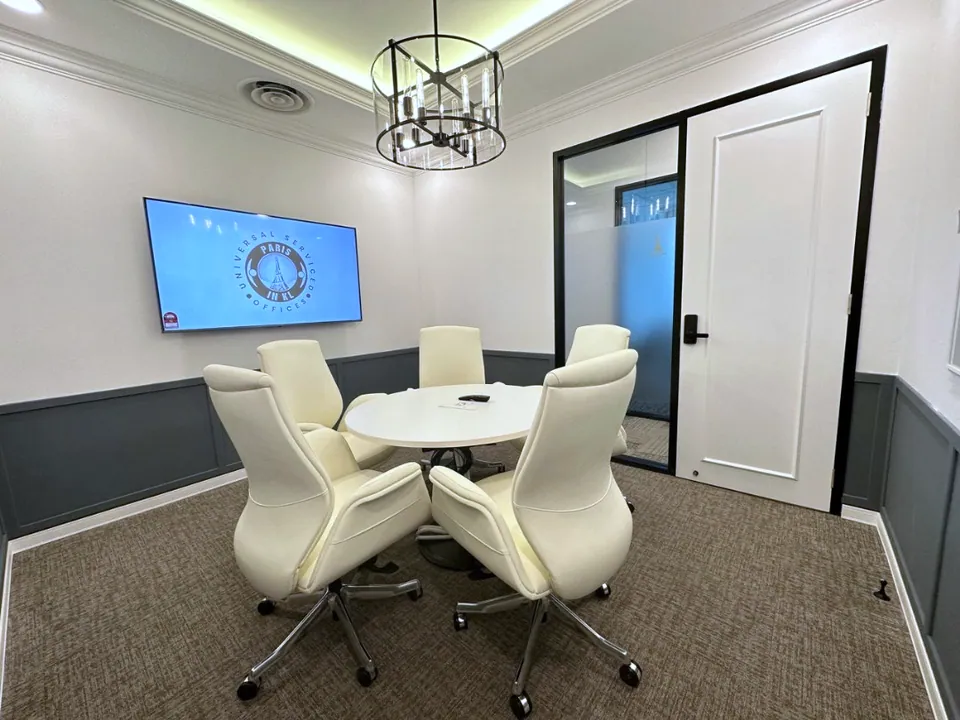
Informal environments may not consistently support these requirements effectively. Access to dedicated meeting facilities often becomes important once businesses begin managing more frequent client interaction or team coordination. This operational requirement is one factor contributing to the continued demand for coworking space, which businesses in KL Eco City use for flexible professional infrastructure.
Factors Businesses Often Assess Before Selecting Workspace Arrangements
Workspace selection commonly involves evaluating operational suitability rather than appearance alone. Businesses may assess:
· Transport Accessibility
Convenient transport connections may influence punctuality, scheduling efficiency and staff convenience.
· Scalability
Operational growth may require workspace arrangements capable of adapting without major relocation.
· Infrastructure Availability
Reliable internet access, meeting facilities and workspace functionality all remain important for daily work operations.
· Workspace Flexibility
Some businesses require occasional access while others operate with rotating schedules or changing staffing levels.
· Professional Presentation
Workspace environments may influence client-facing interactions and internal workflow organization.
These practical factors often shape longer-term workspace decisions.
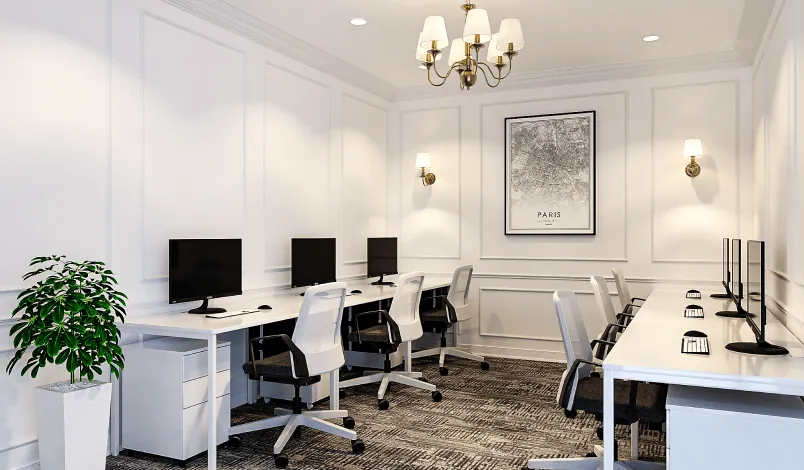
Choosing Flexible Workspaces That Support Business Growth
With changing trends in the workplace, businesses are considering flexibility, accessibility and ease of operation when choosing office environments. An effective co-working environment can stimulate collaboration, coordination of meetings and growth potential without the restrictions. Therefore, while selecting an office space for start-ups or remote teams, consultants and many growing organizations are looking for the right fit that helps to boost their daily productivity and manage employee workflow management in the long run.
For businesses considering flexible workspace solutions in Kuala Lumpur, providers like Universal Serviced Offices may come into mind at first. We offer flexible coworking and serviced office spaces to accommodate evolving business requirements in professional workspaces.
FAQ’s
1. Why are businesses exploring coworking spaces in KL Eco City?
Businesses often consider KL Eco City because of its accessibility, surrounding commercial infrastructure and flexible workspace availability.
2. What operational challenges may occur in informal work environments?
Businesses may encounter issues involving privacy limitations, inconsistent meeting facilities, restricted collaboration space and reduced workflow organization.
3. How does coworking differ from traditional office leasing?
Coworking arrangements commonly provide ready-to-use infrastructure with flexible workspace access, while traditional office leasing generally involves independent operational management.
4. Why are hybrid work models influencing workspace demand?
Businesses managing rotating schedules or partially remote operations often require adaptable workspace access rather than permanent full-time office attendance.
5. What factors influence workspace selection?
Transport accessibility, scalability, infrastructure availability, meeting facilities and operational flexibility commonly influence workspace decisions.
6. Can coworking spaces support business growth?
Flexible workspace arrangements may assist businesses managing changing staffing requirements or evolving operational structures.
7. Why do meeting facilities become more important as businesses expand?
Growing organizations often require dedicated environments for recruitment, planning discussions, presentations, client meetings, training sessions and team collaboration.